
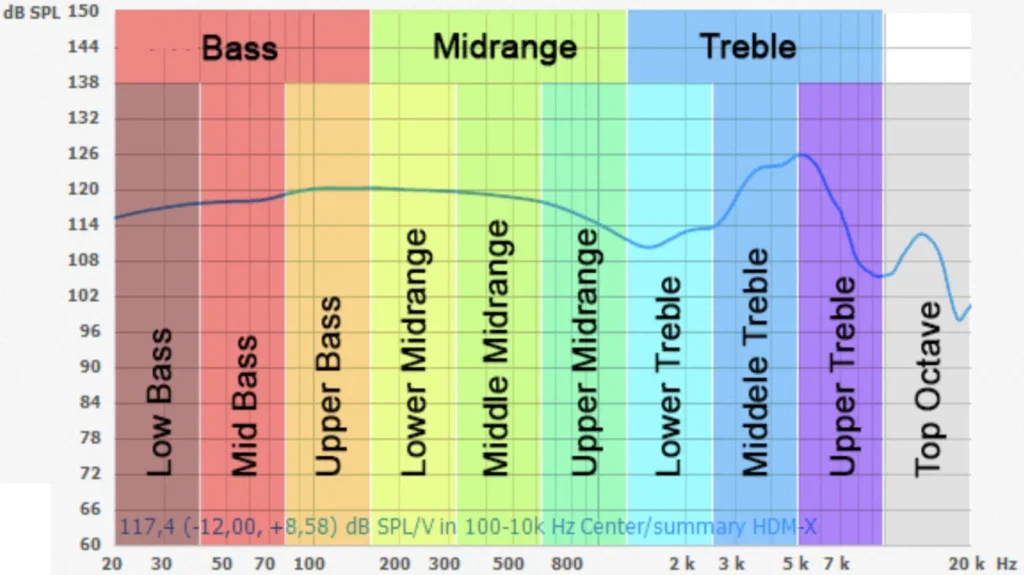
If you’ve ever adjusted the tone knobs on your guitar amp or used an EQ pedal, you’ve seen treble, bass, and mids. These three controls shape almost everything you hear in music—especially guitar tone. Understanding what they actually do will help you dial in better sounds, cut through a mix, and avoid muddy or harsh tones.
Bass: The Low-End Foundation
Bass refers to the lowest frequencies in music, typically from 20 Hz to around 250 Hz. In a song, bass provides weight, depth, and physical impact. Think kick drum thump or bass guitar rumble.
On guitar, bass controls how full or tight your sound feels. Too little bass and your tone can sound thin and weak. Too much bass and it becomes muddy, especially when playing chords or using distortion.
For guitarists:
- Clean tones benefit from moderate bass for warmth
- High-gain tones need tighter, controlled bass to avoid flub
- Bedroom players often use too much bass compared to band mixes
A common mistake is cranking bass at low volumes—what sounds good alone often falls apart in a mix.
Mids: The Heart of Guitar Tone
Midrange frequencies sit roughly between 250 Hz and 4 kHz. This is where most instruments—and human hearing—are most sensitive. Vocals, guitars, snare drums, and keyboards all live here.
For guitar specifically, mids determine presence and clarity. This is the frequency range that lets your guitar be heard in a band setting. When people say a guitar tone “cuts through the mix,” they’re usually talking about mids.
Scooped mids (low mids, high bass and treble) can sound exciting when playing alone but often disappear in a full band. Boosted mids may sound honky or nasal solo, but they sit perfectly in a mix.
Famous examples:
- Classic rock and blues tones are mid-forward
- Metal rhythm tones often scoop mids slightly
- Lead guitar tones usually boost mids to stand out
If you can only adjust one EQ control, mids are the most important for guitar.
Treble: Clarity and Bite
Treble covers the high frequencies, generally from 4 kHz to 20 kHz. Treble adds brightness, attack, and detail to music.
On guitar, treble affects:
- Pick attack
- Note definition
- Perceived clarity and sparkle
Too little treble makes a guitar sound dull and buried. Too much treble causes harshness, fizz, and ear fatigue—especially with distortion or digital gear.
Single-coil pickups usually need less treble than humbuckers. Bright amps paired with bright guitars often require treble reduction to stay smooth.
How Treble, Bass, and Mids Work Together
EQ is not about maxing knobs—it’s about balance. Boosting one frequency range often means reducing another. A great guitar tone depends on context:
- Solo playing vs rythm playing
- Clean vs distorted tones
- Live vs recorded sound
A good starting point is setting bass, mids, and treble at noon, then adjusting one control at a time. Small changes go a long way.
Why Guitar EQ Matters More Than You Think
Many tone issues aren’t about pedals or pickups—they’re EQ problems. Learning how treble, bass, and mids work will instantly improve your sound without buying new gear.
Whether you’re chasing vintage blues tones, modern metal tightness, or clear clean sounds, EQ is the foundation.